What It Actually Is
Cacao is not chocolate. This distinction matters more than most people realise, and it's where every serious conversation about ceremonial use has to begin.
Theobroma cacao — the name alone is instructive. Theobroma: food of the gods. The cacao tree is native to the tropical rainforests of Central and South America, though it now grows across the equatorial belt — including here in Bali, where some of the world's most potent beans are quietly being grown and ignored by the mass market. The tree produces large, ridged pods directly from its trunk. Inside each pod: a cluster of seeds surrounded by sweet white pulp. Those seeds, dried and processed in various ways, become what we know as cacao.
In its raw, minimally processed form — as a paste or block, stone-ground from whole beans — cacao retains its full nutritional and psychoactive profile. This is what ceremonial use requires. It's not a supplement. It's not a superfood powder. It's a whole plant substance with a complex chemistry that industrial processing systematically dismantles.
The Chemistry of Heart-Opening
Three compounds are most relevant to understand when working with cacao ceremonially. They're not magic. They're biology — but understanding what they do changes how you relate to the plant.
Theobromine is the primary stimulant in cacao, and it works differently to caffeine. Where caffeine spikes and crashes, theobromine is slower and gentler — a sustained vasodilator that increases blood flow, opens peripheral vessels, and produces what many people describe as a warmth in the chest. It acts on the cardiovascular system more than the nervous system, which is why cacao feels heart-centred rather than head-driven. The ceremonial dose (30–40g of quality paste) delivers a meaningful theobromine hit — enough to notice, not enough to overwhelm.
PEA (phenethylamine) is sometimes called the "love molecule." It's the same compound that floods the brain in early romantic attraction and intense physical exertion. In cacao, PEA is present in meaningful quantities — though crucially, it's extremely heat-sensitive. Roast cacao above around 50°C and PEA begins to degrade. This is why processing matters so fundamentally to ceremonial potency. Most commercial cacao is roasted at temperatures between 100°C and 180°C. The PEA is gone. What's left is chocolate — pleasant, but inert for inner work.
Anandamide — from the Sanskrit ananda, meaning bliss — is an endocannabinoid that your brain naturally produces. Cacao contains anandamide directly, and also contains enzyme inhibitors that slow its breakdown in the body. The effect is subtle but real: a soft, expansive quality in awareness. Not a high. More like a gentle widening of the field of perception. When you're sitting in stillness with good cacao, this is part of what you're feeling.
Together, these compounds don't produce a psychedelic experience. They don't take over your system. What they do is turn up the volume on what's already present inside you — your sensations, your emotional currents, your inner landscape — and make it more accessible.
Cacao Is Not Chocolate
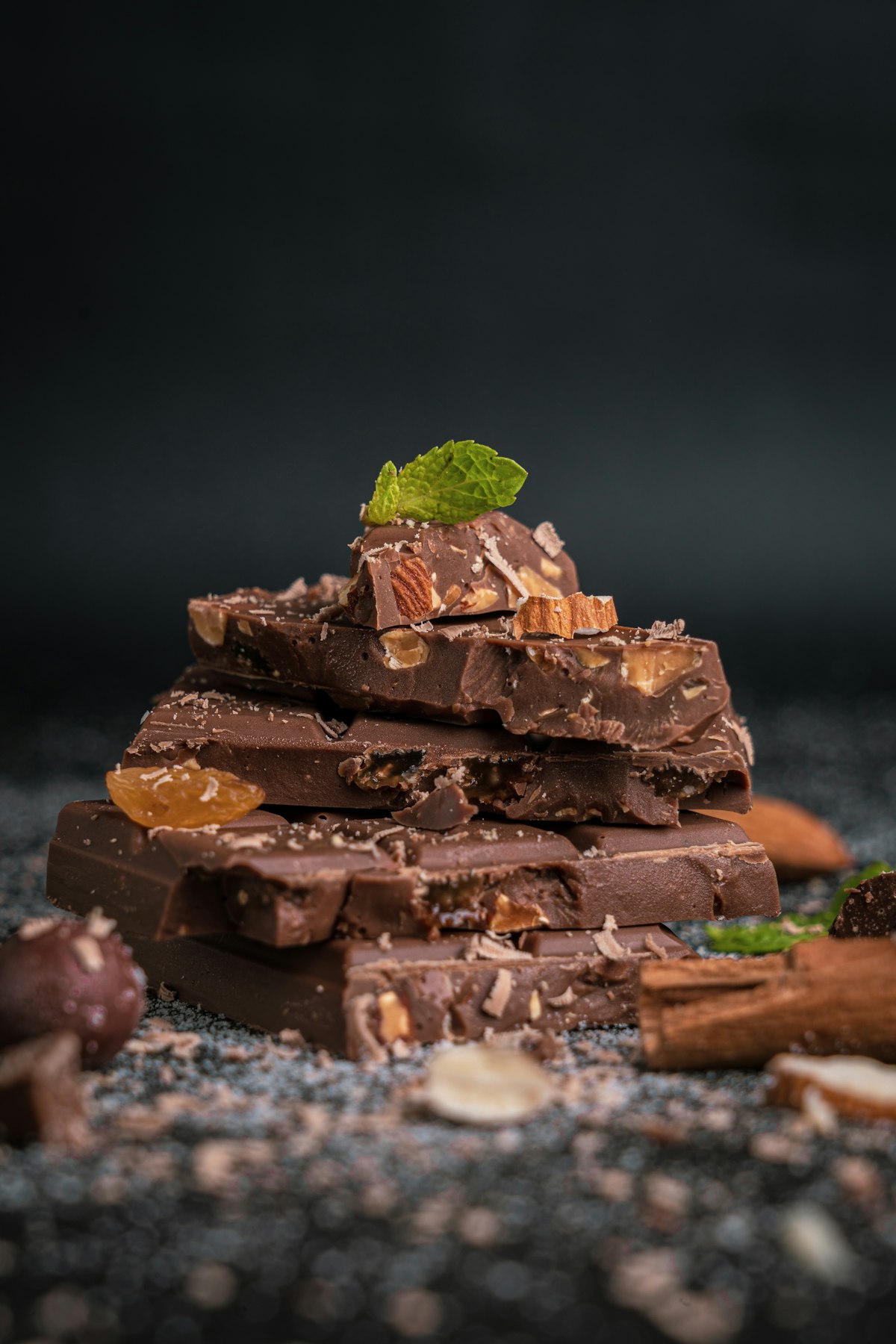
This should be obvious, but the distinction gets blurred constantly in marketing. Chocolate is what happens after cacao is roasted, alkalized, combined with sugar, dairy, and emulsifiers, and tempered into a stable, shelf-stable product. Even "100% dark chocolate" has typically been through processes that fundamentally alter its chemical profile.
The differences that matter for ceremony:
- Fat content: True ceremonial cacao retains all its natural cacao butter, which contains active compounds and gives the drink its characteristic creaminess. Industrial processing separates this butter out (to sell to cosmetics companies) and may or may not reintroduce it.
- Roasting: Chocolate requires roasting to develop its familiar flavour. Ceremonial cacao should never be heavily roasted — light, low-temperature drying is the maximum intervention appropriate for preserving potency.
- Additives: Chocolate contains sugar, milk solids, lecithin, flavourings. Ceremonial cacao should contain nothing but the ground bean.
If you're preparing cacao for ceremony with dairy, sweeteners, or pre-made "cacao powder," you're not working with the plant in its ceremonial form.
Why Intention and Setting Transform the Experience
Cacao is unique among plant medicines in that it responds with unusual sensitivity to the context in which it's taken. This isn't mysticism — it's a function of how it works. Because cacao doesn't override your system, it requires your participation. It turns up the volume; you have to be listening.
The same 40 grams consumed while scrolling your phone in a bright room will produce a mild stimulant effect and nothing more. The same 40 grams consumed on an empty stomach, in silence, after deliberate space preparation, with a clear intention — that's when the full medicine makes itself available. The difference isn't in the cacao. It's in what you bring to it.
This is what "set and setting" means in practice: the internal orientation (intention, openness, willingness to feel) and the external environment (silence, no distractions, a space that has been made sacred by your attention to it). Both matter. Neither can be shortcut.
Cacao as a Teacher Plant
The phrase "teacher plant" gets used carelessly in wellness culture. It's worth being specific about what it means — and what it doesn't.
Cacao doesn't teach by showing you visions or taking you somewhere. She teaches by making your inner world more legible. The sensations that were already moving through your body become louder. The emotions you've been skating around become harder to avoid. The insights that were forming beneath conscious awareness become available.
In this sense, cacao is a teacher of self-awareness. She creates conditions in which you can hear yourself more clearly. What you do with what you hear — that's still yours. She doesn't do the work. She makes the work more accessible.
What cacao is not: a shortcut to awakening, a replacement for meditation practice, a guaranteed journey, or a party drug. People who approach it that way typically get very little from it, or experience uncomfortable activation with nothing to hold it. The container you create — through preparation, intention, and genuine willingness to go inward — is what determines the depth of what's available.
Common Misconceptions
"Ceremonial cacao gets you high." No. It activates and amplifies. The quality of the experience is determined almost entirely by your own capacity for inner stillness and the depth of your intention.
"Any cacao sold as ceremonial is ceremonial." This is the central lie of the current market. "Ceremonial" is an unregulated marketing term. Most cacao sold under that label has been through industrial processes that remove the very compounds you're seeking.
"More is more." The ceremonial dose of 30–40g is not a floor. It's approximately optimal. Going significantly higher increases cardiovascular effects without meaningfully deepening the experience. The quality of the cacao and the quality of your inner work are the variables that matter.
"Cacao should be bitter." Real ceremonial cacao has a natural earthiness and depth, but it is not harshly bitter. Sharp, overwhelming bitterness is a sign that the cacao has been over-roasted or otherwise compromised. Quality cacao is rich, complex, and creamy.